

In high-risk industries like petrochemicals and power generation, safety valves are the ultimate defense against overpressure. The tell-tale hole, though minute, is critical for ensuring sensitive valve action and reliable sealing. Neglecting its design, positioning, or maintenance frequently leads to valve sticking, seal failure, and safety incidents. This analysis covers functional mechanisms, setting standards, and rectification strategies.
Core Functional Mechanisms
1. Liquid Drainage and Seal Integrity
Condensate and residual liquids accumulate below the valve seat or at piping low points, causing rust, fouling, or erosion of sealing surfaces. Positioned at the lowest accumulation point, the tell-tale hole continuously drains these fluids, keeping the sealing surface dry and clean to maintain precise sealing pressure and prevent internal leakage.
2. Adhesion Prevention and Action Sensitivity
Under high-temperature, high-pressure, or crystallizing conditions, residual media can cause the valve disc and seat to sinter or stick, preventing opening during overpressure. The micro-flow facilitated by the tell-tale hole removes residues and disrupts fouling conditions. For valves remaining closed long-term, this ventilation prevents rust-induced seizing, guaranteeing instantaneous emergency response.
3. Backpressure Balancing and Stability
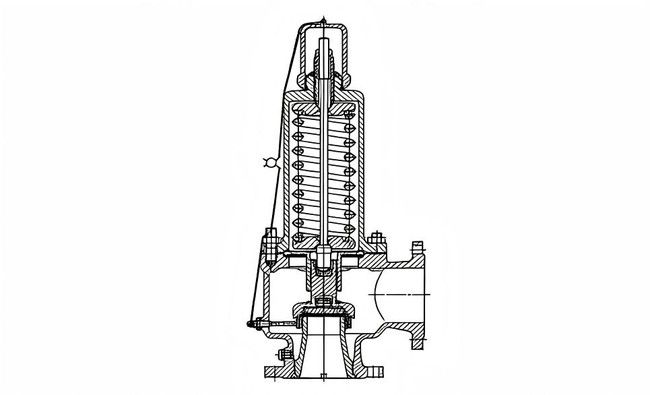
Vertical outlet piping often forms a negative pressure cavity after discharge, creating suction that prevents proper seating or induces vibration. The tell-tale hole connects to the atmosphere to eliminate this differential pressure. For bellows-type valves, the bonnet vent acts as a specialized tell-tale hole, keeping the interior atmospheric. If the bellows ruptures, this prevents media accumulation and pressure imbalance, preserving set pressure accuracy.
4. Risk Control and Environmental Protection
For flammable or toxic media, the hole promptly discharges hazardous accumulations, preventing fires or poisoning from pooled leaks. Properly directing discharge, such as routing steam condensate to safe zones, avoids scalding injuries. Additionally, the structure blocks external contaminants, reducing abrasive wear and extending equipment life.
Engineering Setting and Installation Standards
Design requires differentiation based on medium properties, discharge systems, and environmental conditions.
1. Operating Condition Adaptation

For condensable media like steam or water, install the hole below the valve seat or at the absolute piping low point for complete drainage.
For corrosive media, match or upgrade the hole material to specifications like 304 or 316L stainless steel, and route the outlet via conduit to a dedicated recovery system; direct discharge is prohibited.
For closed systems like flare networks, use a knockout drum upstream to prevent liquid entry into the header.
For atmospheric discharge, position the hole away from platforms and fire access, ensuring the discharge direction never faces personnel.
2. Special Environment Responses
In cold regions, apply heat tracing and insulation to prevent ice blockage.
In dusty environments, fit a breathable protective screen that does not hinder drainage.
3. Installation and Verification
Ensure piping slopes naturally toward the hole, with weld seams located more than 50 millimeters from the orifice to avoid thermal damage.
Mandatory testing using air or water during calibration verifies unobstructed flow; establish quarterly cleaning to prevent fouling.
Bellows valve bonnet vents must remain permanently open. For hazardous media, route these vents via conduit to safe locations; sealing is strictly forbidden.
Common Misconceptions and Rectification
Typical Issues
Undersizing holes for construction convenience creates excessive drainage resistance.
Positional deviation from the geometric low point prevents condensate collection.
Accidental sealing during maintenance or coverage by insulation causes total functional failure.
Using ordinary carbon steel in corrosive conditions leads to rapid perforation or blockage.
Rectification Strategies
 Standardize dimensions by strictly determining diameter based on nominal pipe size, controlling tolerance within plus or minus one millimeter. Use mechanical drilling rather than gas cutting for smooth walls.
Re-verify positions using spirit levels or water tests to ensure alignment with liquid accumulation points.
Implement visual management by explicitly prohibiting sealing during acceptance and reserving inspection windows in insulation for routine checks.
Upgrade materials by replacing damaged components with high-grade stainless steel or lined options selected according to the specific medium corrosion level.
The tell-tale hole directly determines the success of the overpressure protection system. Strict adherence to design specifications and refined maintenance eliminates hazards like accumulation and adhesion, ensuring the safety valve opens reliably and seals tightly to fortify industrial safety.


