

In the daily maintenance of pneumatic butterfly valves, several key components require meticulous inspection, and there are specific standards and methods for determining replace them:
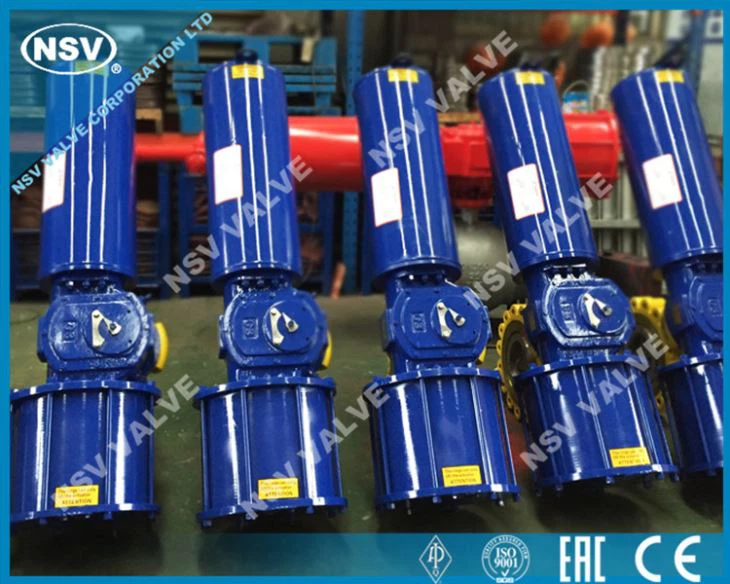
Pneumatic Actuators
Key Inspection Items: Firstly, conduct an appearance inspection. Check whether the actuator housing exhibits cracks, deformation, or corrosion, as these issues may lead to damage to internal components or gas leakage. Secondly, examine the air source interface and pipeline connection points to ensure a secure connection, free from looseness or air leakage. A simple test involves applying soapy water to the interfaces; the presence of bubbles indicates a leak. Additionally, monitor the actuator's operation. During the valve's opening and closing processes, observe if the actuator operates smoothly or shows signs of jamming or abnormal noise. Such phenomena often suggest wear or insufficient lubrication of internal components like pistons and gears. Finally, verify the functionality of the actuator's feedback devices (such as limit switches and position sensors) to ensure accurate feedback of the valve's open/closed status.
Replacement Criteria: Replace the actuator when its housing suffers severe corrosion, irreparable cracks, or when the air source interface is damaged beyond effective sealing. If the actuator malfunctions and fails to return to normal operation after lubrication and adjustment, especially when internal components such as piston seals are aged and damaged or gear teeth are excessively worn, immediate replacement is necessary. Moreover, if the feedback devices are damaged and cannot be repaired, compromising valve status monitoring, the actuator should be replaced.
Seals
Key Inspection Items: The inspection of seals primarily focuses on their surface condition and sealing performance. Examine the seal surface for signs of wear, scratches, hardening, or cracking, as these defects directly impact sealing effectiveness. For rubber seals, check for swelling or deformation, which may result from chemical reactions with the medium or prolonged exposure to unsuitable temperatures. When the valve is closed, detect any medium leakage at the seal through visual inspection, auditory cues, or with the aid of detection instruments.
Replacement Criteria: Replace the seal immediately upon discovering obvious wear grooves, deep scratches, or irreversible damage such as aging, cracking, swelling, or deformation. When leakage occurs at the valve seal and other potential causes (such as butterfly plate deformation or valve seat damage) have been ruled out, indicating seal failure, replacement is mandatory. Additionally, for seals that have reached or exceeded their specified service life, even without visible damage, preventive replacement is advisable to avoid sudden leakage incidents.
Valve Stems
Key Inspection Items: Inspect the valve stem's surface for smoothness, looking for scratches, corrosion, or deformation. The stem's straightness significantly affects the valve's opening/closing operation and sealing performance. Examine the area where the valve stem mates with the stuffing box, checking for signs of packing aging, looseness, or medium leakage. Also, verify the firmness of the valve stem's connection points (with the butterfly plate and actuator) to ensure there are no indications of looseness or disengagement.
Replacement Criteria: Replace the valve stem if its surface is severely corroded, deformed beyond straightening, or has deep scratches that impair the sealing with the packing. If leakage persists frequently between the valve stem and stuffing box, even after packing replacement, suggesting stem surface wear or damage, replacement should be considered. Similarly, if the valve stem connection is severely damaged and cannot be repaired to restore a secure connection, prompt replacement is required.
Butterfly Plates
Key Inspection Items: Observe the butterfly plate's surface for wear, erosion, or deformation, especially in applications where the medium contains particulates or is corrosive. Check the fit between the butterfly plate and the valve seat to ensure a tight seal when the valve is closed, with no noticeable gaps. Assess the plate's rotational flexibility by manually or pneumatically operating the valve and feeling for any signs of jamming.
Replacement Criteria: Replace the butterfly plate when its surface wear or erosion is extensive enough to affect the valve's flow area and sealing performance, or when the plate is severely deformed, preventing normal opening, closing, and sealing. If the plate does not fit properly with the valve seat and adjustments cannot rectify the issue, replacement is necessary. Likewise, if severe rotational jamming is due to damage to the butterfly plate itself, install a new one.


